
Dust-mite related allergies are on the rise in the UK, and they're one of the most common indoor allergens worldwide. The truth is, many of us don’t realise that it can all start with something just as simple as our mattress. We like to buy mattresses with their comfort levels and support in mind, and rightly so, as these are important factors to consider. But have you ever considered that it might be your mattress that’s the culprit for your constant sneezing?

In this guide, we’ll talk about the different symptoms for you to spot and the various allergies that your mattress is potentially causing. We’ll also give you some tips on how to combat your symptoms, so you can get great sleep each and every night.

How To Identify Allergy Symptoms

If you’re someone who’s wondering if you have allergies, there are some key identifiable signs that can recur when exposed to certain allergens. The most common tell-tale signs are itching, sneezing, blocked nose, rashes and red watering eyes.

More often than not, these symptoms are provoked by allergens such as dust-mites, dander and pollen, as well as unexpected ones like chemicals used to make mattresses in the manufacturing process. Over time, repeated exposure to these allergens can worsen your symptoms and even disrupt your sleep quality. However, recognising them early is a great way to prevent these symptoms, and we recommend that you consult your doctor if you have any flare-ups that consistently occur.

Why Your Mattress Might Be Causing Allergies

Your mattress might be doing more than just disrupting your sleep - It can harbour a lot of bacteria and allergens, and might have even been manufactured without any consideration for skin sensitivity. Thankfully, there’s no need to worry, as we’ll identify the most common causes of allergies and what steps you can take to prevent them.

Dust-mites

We’ve touched on how dust-mites are often the leading cause for allergy symptoms, and there’s actually more than what meets the eye when it comes to understanding them. In fact, it’s not the dust-mites themselves that can cause your symptoms - it’s their waste. We know, it’s pretty disgusting. But there's no need to worry, as you can get rid of these little pests in just a few simple habits.

The first one is to regularly vacuum the surface of your mattress with an upholstery attachment. These attachments are very good for picking up a lot of dirt by getting into the nooks and crannies of the fabrics where these dust-mites thrive. Doing a clean like this once a week, just when you’re changing your bedding, is an easy habit to protect yourself from these allergic reactions.

Rotating and flipping your mattress can be another great way to help reduce the build-up of dust-mites that are nestled in the fabrics. While this technique doesn’t totally eliminate dust-mites, it’s a great extra step after you have hoovered it to reduce moisture and bacteria. Not only is this good for allergies, but it’s also great for extending your mattress’ lifespan as it can prevent sagging and dipping over time.

Feathers

Despite few people being allergic to feathers, those that do suffer from this allergy understand how tough the symptoms can be. In the current mattress market, there are many mattresses designed with feather-packed tops, often known as “featherbeds.” Although these mattresses can offer so much cushioned comfort, they can trigger those who are allergic to feathers. So, this is one to bear in mind when it comes to purchasing your mattress and discovering which one is right for you.

But you might be asking, what would you do if you already have a mattress with feathers inside, and you’ve only recently discovered your feather-related allergy? Well, for the sake of your frequent allergy symptoms, it might be a good idea to shop around for a new alternative mattress and find ones that are kind to the skin, such as our cashmere mattresses that are naturally hypoallergenic thanks to their organic materials.

However, we understand that all this mattress buying is not always affordable. If you don’t want to burn a hole in your pocket, simply investing in an alternative mattress topper can be a solution to add an extra layer between you, the mattress and its internal feathers for now. As we’ve mentioned before, taking other steps such as regularly maintaining and vacuuming it is really important as dust-mites also love to live amongst the feathers.

Isocyanates & Other Flame Retardants

Other allergy triggers can be isocyanates and other flame retardants, which are often subtle and overlooked allergens. These are made up of chemical compounds that can irritate the skin and cause you to sneeze, and they’re often found on the coating of the mattress, in the foams, glues and adhesives.

Of course, it’s crucial for manufacturers to make mattresses that reduce the risks of fire and allergy symptoms. Essentially, that’s why we recommend our cashmere mattresses that are made with organic materials that are kind to your skin as well as the environment, and they’re generally safe for reducing the risks of a fire.

Sleeping Environments & Routines: How Good Ones Can Transform Your Allergies

When it comes to dealing with your allergies, there are so many solutions that you can take in order to manage them. Why don’t we take a look at some more useful tips on how to prevent your allergy symptoms, with your nightly routine and your sleeping environment?

Showering Before Bed

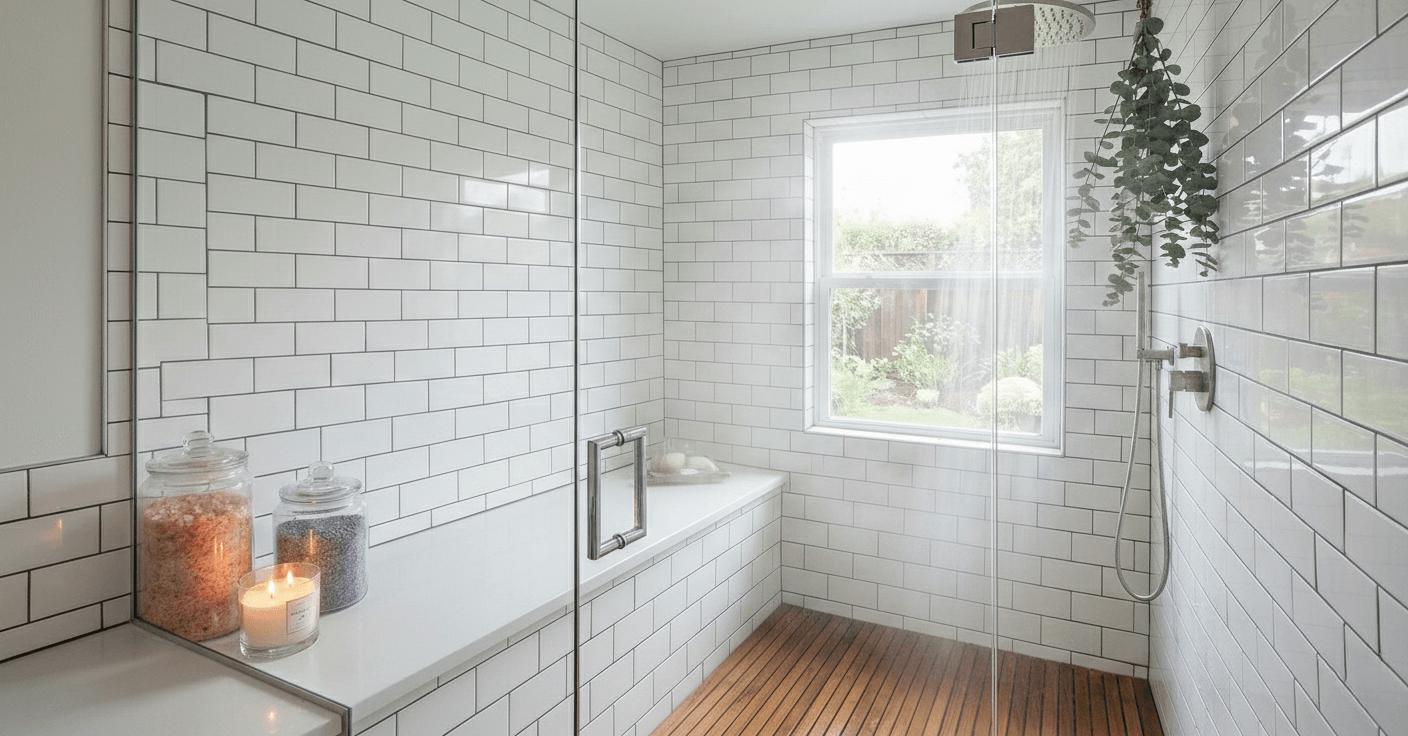
Showering right before bed is not only essential for personal hygiene, but it can also help with your allergies. Throughout the day, we become exposed to allergens such as dust- mites and pollen, especially in high-seasons. Getting a shower right before bed is a great step to ensure that everything is stripped off of you before you sleep, or else you may risk these allergens from transferring onto your bed sheets and mattress.

Eco-friendly Mattress Toppers

We’ve established that some harsh materials can be a leading cause for skin irritation, so you can easily combat this by using some eco-friendly mattress toppers to help you. Designed with natural materials that are kind to your skin, you’re less likely to wake up coughing, sneezing or with a rash.

Keep Windows Closed During High-pollen Seasons

For those who often find themselves struggling with hay-fever, one tip is to ensure that all of your windows are closed during high-pollen seasons. Your natural reaction may be to open a window to cool down your home during the summer, but this can in fact lead to your home getting hotter and more pollen blowing in. This simple habit can be a game-changer for those with seasonal allergies.

Wash Sheets Regularly

Regularly washing your bedding at 60 degrees is an essential step for controlling the build-up of allergens in the fabrics of your bedding. Not visible to the naked eye, allergens such as pollen and dust-mites can hide deep within the fabric and transfer to your mattress, so skipping this step isn’t really an option for when it comes to allergies and overall hygiene.

Keep Pets Out Of The Bedroom

Some of us love to relax and unwind with our furry friends before bed, but unfortunately, this can be a big trigger for allergy flare-ups. Their hairs and dander can get trapped in the microscopic fibres of your bed sheets, making your skin itch and causing your allergies.

Replace Your Mattress

It’s widely recommended to replace your mattress every 7-10 years, not only for your comfort and support levels, but also for your allergies and overall hygiene. Over time, an excessive build-up of dust-mites can trigger your allergies, so it’s a great idea to start shopping around for a new mattress after this time mark.

Discover Improved Allergen-free Sleep Now

After reading this guide, we hope you have a better insight into how you can prevent your allergy symptoms and flare-ups. We’ve talked about the different types of allergens and symptoms, along with some tips on what you can do to improve your sleep as someone who suffers from allergies.

For some more information on topics such as how to clean and maintain your ottoman bed, why not visit some more of our guides? Our friendly customer service team is always here to help with any questions you may have.