
Your Child’s First Bed: What You Should Know

It can sometimes be difficult to introduce your child to their first big bed, for both kids and parents. It’s a big milestone for their development and sleep quality, and there are many factors to consider such as bed types, mattresses options, safety and their comfort. 

Having their first big bed is a huge step for their independence, and it’s definitely something that your child can be excited for! In this guide, we’ll break down some tips and advice on how your child can feel less anxious about the whole process of getting their first big bed.

When Is The Right Time?

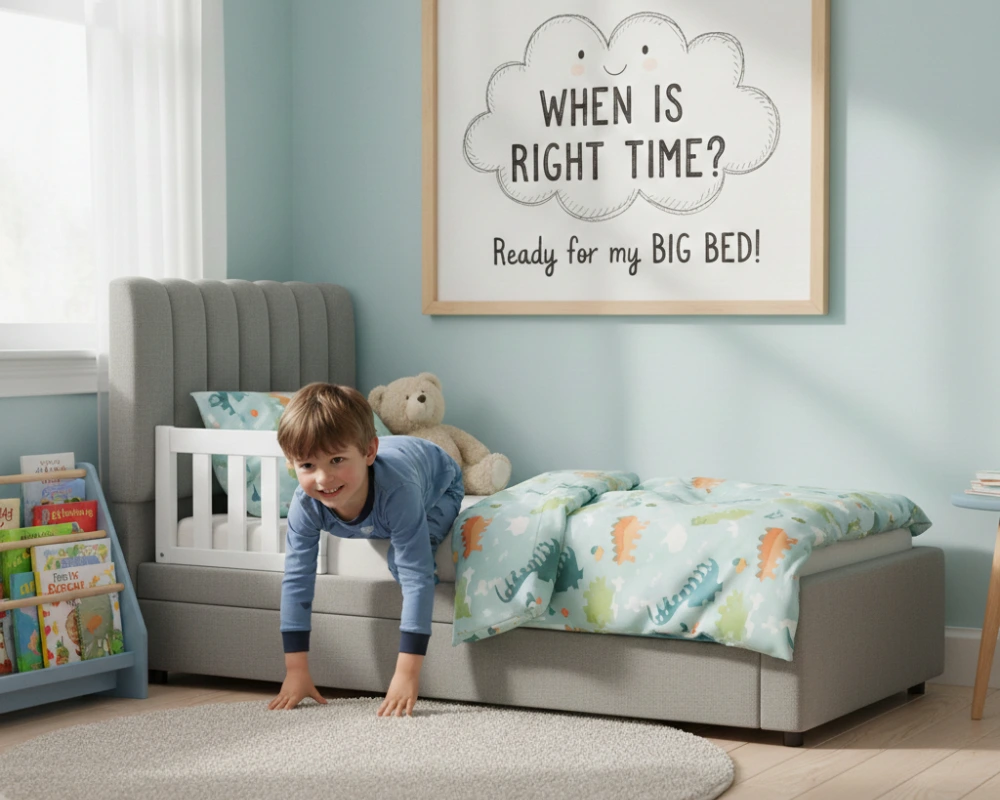
The stage where your child is ready for their first ‘big bed’ can vary from child to child. There are several signs to consider such as their age, the safety of their bed and the behaviours that they express to suggest that they are ready for their new bed. 

Usually, children are ready for their first big bed between the ages of 2-4 years old. This is where they often express signs that they’re ready: they might be crawling out of their cot, showing independence and even verbalising interest in their first big bed 

Before anything else, safety should come first. Your child should feel as though they can safely and confidently get in and out of bed, with appropriate safety measures such as bed rails and a clear floor space. Implementing this is a great way to ensure that your child will be safe, happy and comfortable as they get ready to sleep in their very first ‘big’ bed. 

When Is The Right Time?

Choosing The Right Bed

Choosing the right bed is an important aspect of ensuring that your child will feel safe and comfortable when it comes to this new milestone. 

Small Single 2ft6 Divan Beds

Small Single 2ft6 Divan Beds

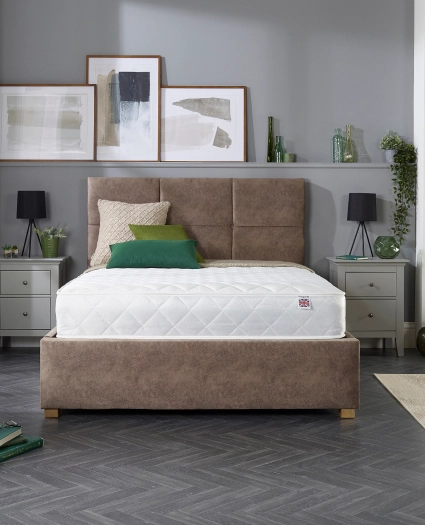
Our small beds, such as our 2ft6 small singles (76.cm) can be a great starting point for your child. They’re small width makes them appropriate for small children that are between the ages of 2-6 years old, and the solid bases of these divan beds give them plenty of support as their muscles develop during sleep. 

These beds also have safe built-in drawers, which are good storage solutions to store bits and bobs away - it creates tidy and safe bedroom floor space for their playing, reading and learning. 

3ft Single Divan Beds

One limitation to our smallest divan bed is the fact that your child may outgrow them sooner - it’s something to consider if you want to purchase a bed that will last them for a long time. 

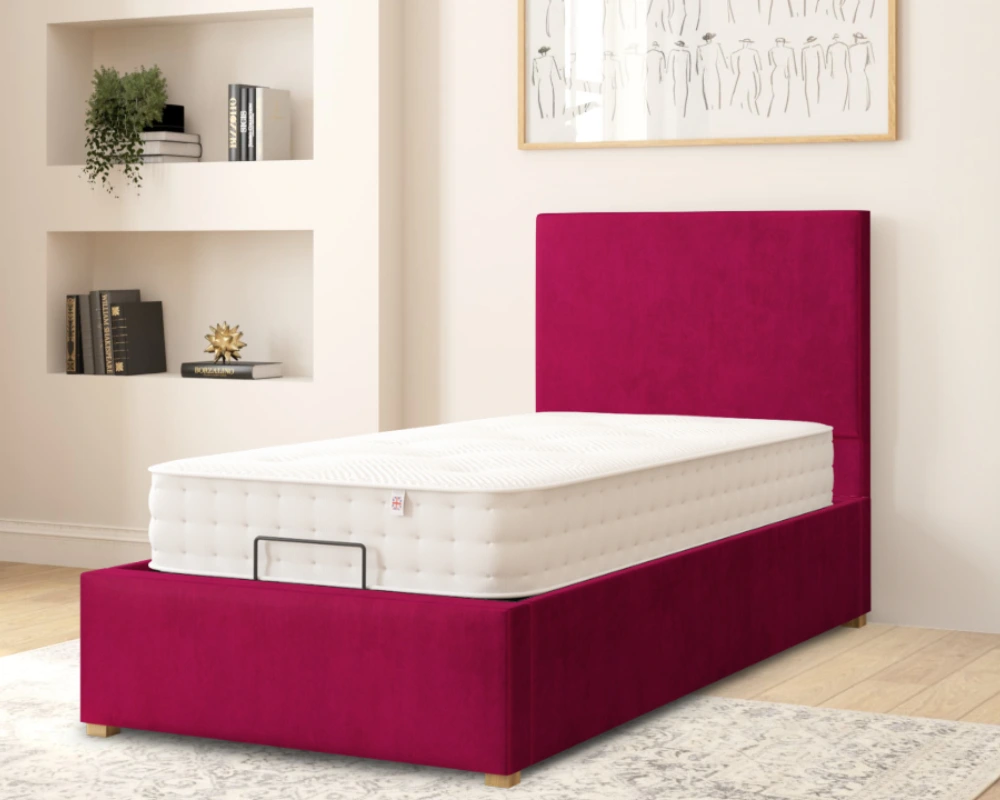
With that being said, a 3ft single divan bed can be a great option for them, with plenty of drawer space for them to store their things inside as they play and learn. For bigger or taller children, they are also roomier for them to stretch out and be comfortable - they make a great affordable option for your son or daughter! 

3ft Single Divan Beds

Choosing The Right Bed

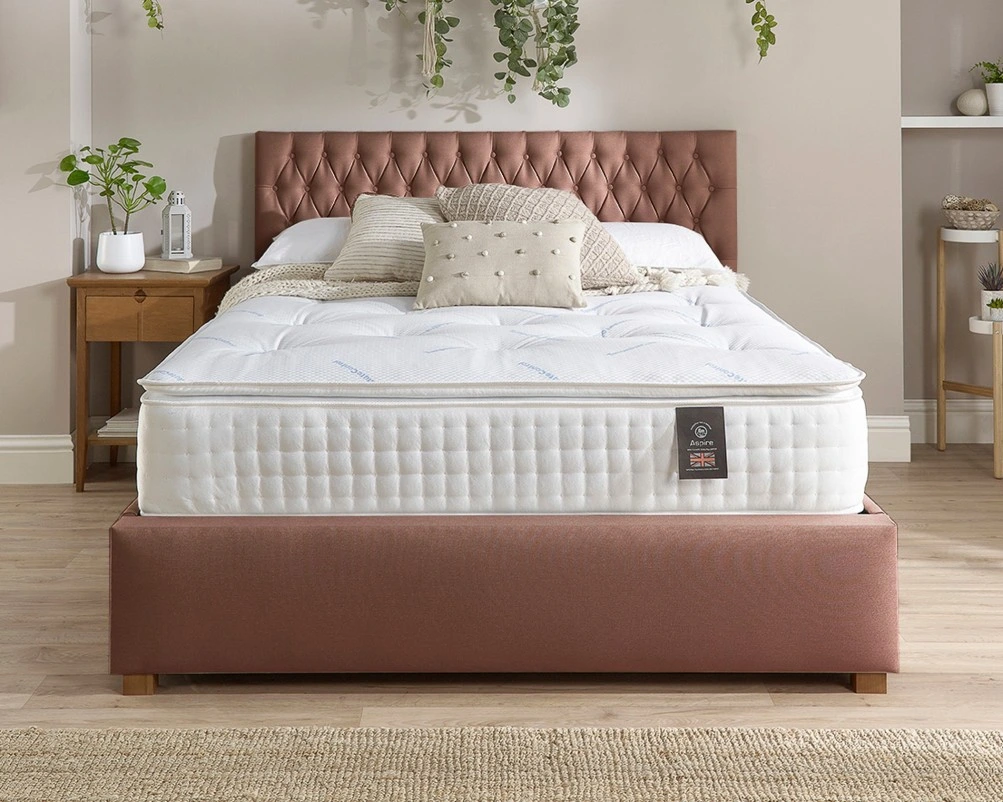
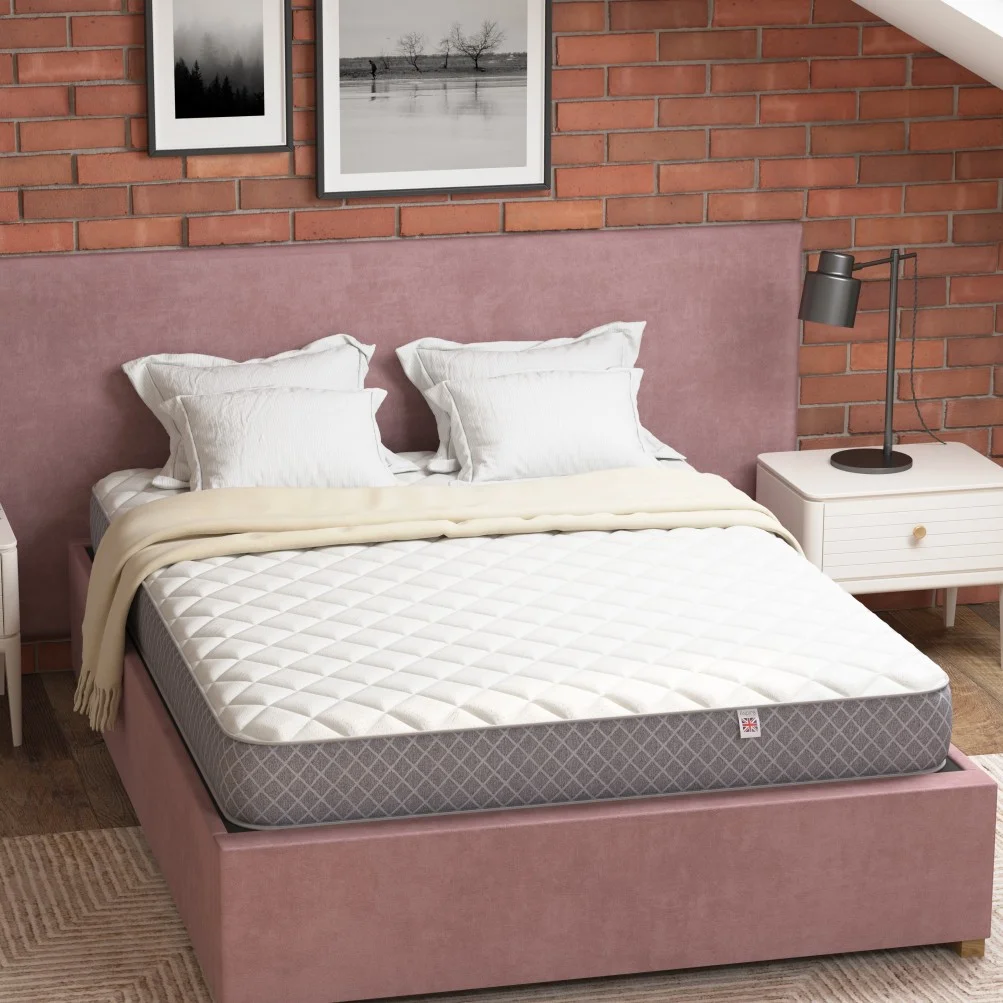
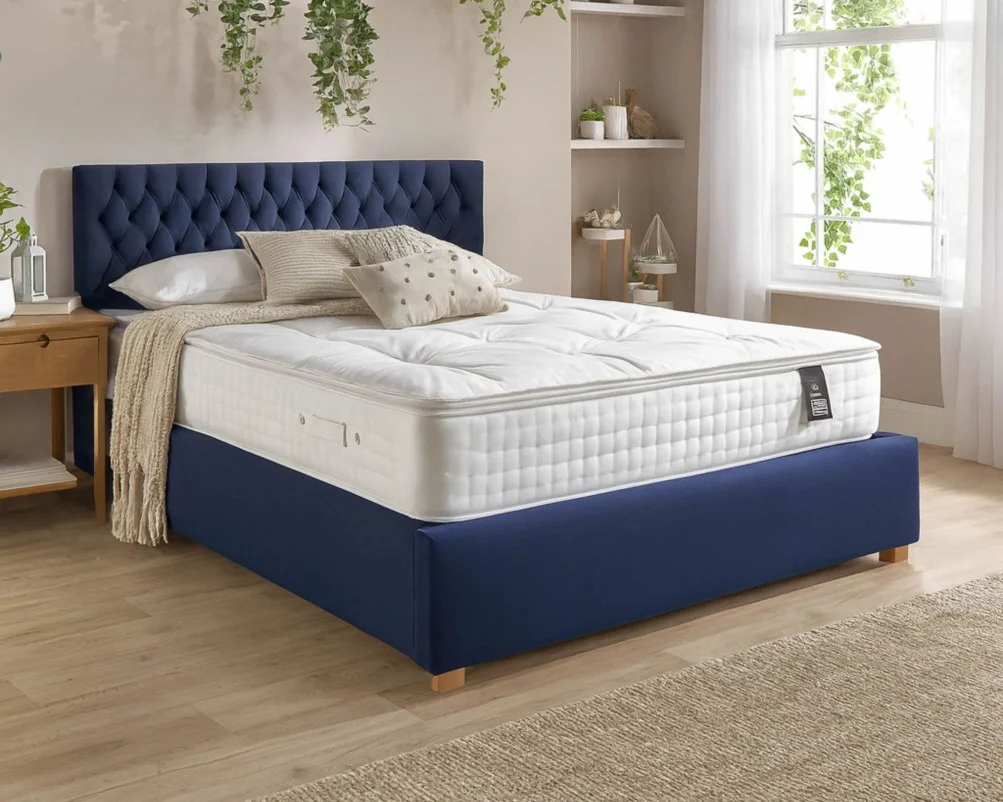
Choosing the right mattress is also an important factor to consider when it comes to the comfort of your young child. Ensuring factors such as mattress height and type is essential for your child’s well-being, safety and comfort. Let’s take a look at the different mattress types we have to offer for your child. 

Climate Control Mattresses

Climate Control Mattresses

Climate control mattresses are great for your child’s bed since they are designed to help regulate their temperature. In an environment that’s too hot or cold, your child can struggle to get to sleep. Breathable materials and moisture-wicking layers help prevent overheating and keep the sleep surface fresh and dry. During the winter, your child will feel cosy and warm, and in the summer, they’ll feel refreshed with a thermo-regulating single mattress. They’ll be able to find the right balance in no time! 

Orthopaedic

Orthopaedic mattresses are designed with thousands of springs inside -  they’re firm and contribute to improved spinal alignment. As your child sleeps on an orthopaedic mattress, they will feel plenty of support. This contributes to their muscle and bone development, as well as improved posture.

Orthopaedic
Pocket Spring

Pocket Spring

Designed with individually enclosed springs inside, pocket spring mattresses are great for reducing noise and motion transfer. For deep and long relaxing sleep, children can benefit from the noise-reducing technologies of this mattress. This responsive support of the mattress adapts to a child’s movements during sleep, encouraging healthy spinal alignment as they grow. 

Preparing Your Child For Their Move

Your child may feel nervous when it comes to the next big milestone of them moving into their first bed, and they may have concerns and fears such as falling out of their bed and being anxious to change their current sleeping set-up. 

Reassure your child by telling them that their new bed is a positive thing to be excited about, rather than something that will be a disruption to their routine. 

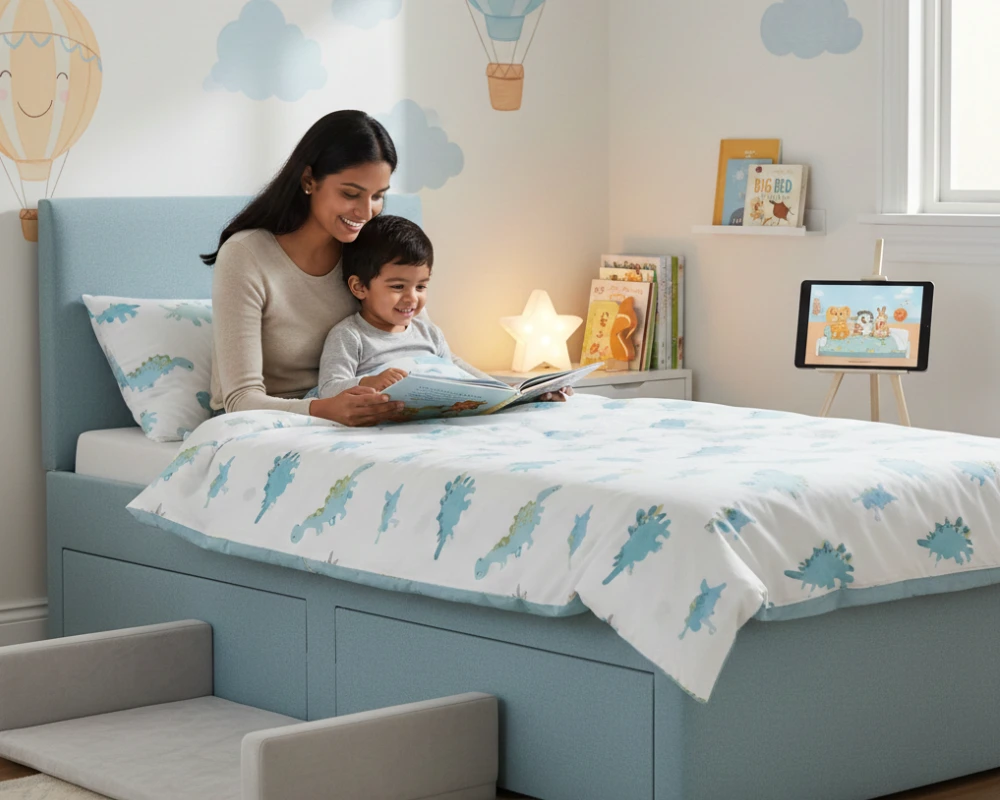
You can also read age-appropriate books or watch gentle videos about moving to a big bed, which can help familiarise them with the idea and make the transition feel fun, normal, and something to look forward to.

Preparing Your Child For Their Move

Common Challenges & Their Solutions

It goes without saying that there are some common challenges that your child might face during the transitional period from their cot to their first bed. There’s always a solution to them though, and this is just a temporary phase of their life!

Waking Up Often During The Night

Waking Up Often During The Night

The first one is that they often wake up during the night and feel anxious in their new sleeping environment. This is totally normal at first as they are just settling into their new bedroom space and adjusting to their first big bed. 

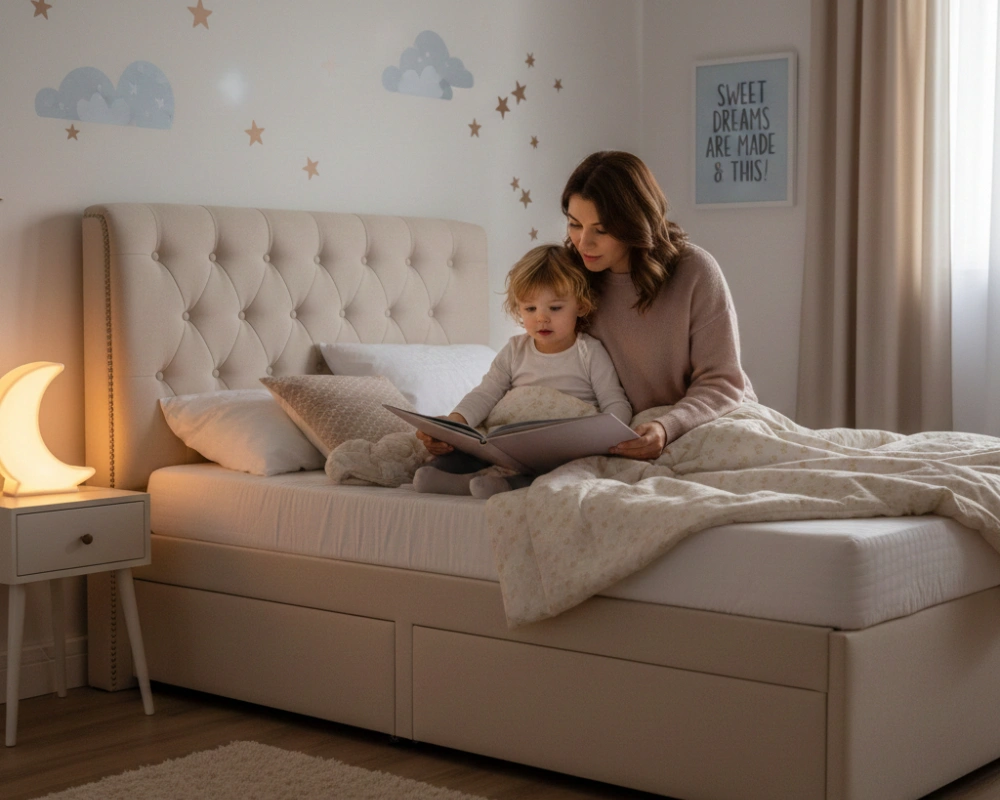
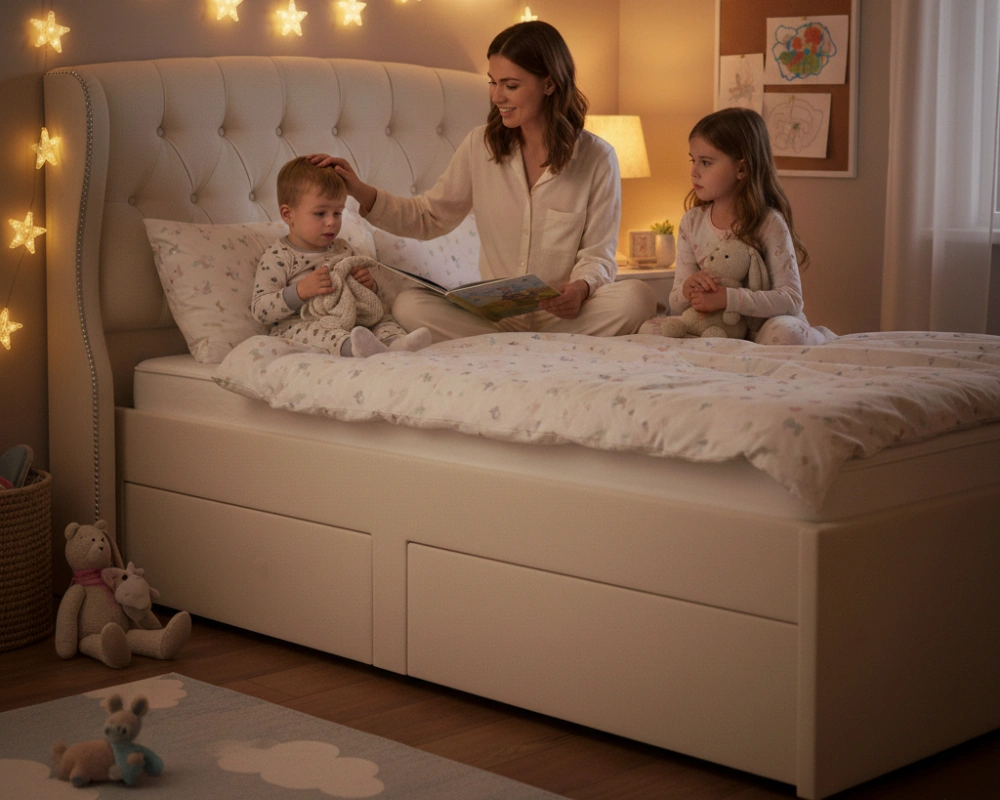
A tip that you can do to help with this is by reassuring them that their bedroom is a safe space that they will get used to over time. A positive bed time routine where you read them a story before they sleep can make a huge difference to their comfort levels, setting the tone for an anxiety-free night.

Reluctance To Sleeping In Their New Bed

Children can often feel anxious and express reluctance to sleep in their new bed, often delaying their bed time routine and even showing signs of distress before they go to bed. 

One of the things you can easily do is to reassure them that they will be okay and spend some positive time with them before they sleep. By not adding too much pressure on your child or forcing the change, they are more likely to enjoy this new upcoming milestone. 

Reluctance To Sleeping In Their New Bed
Night Time Wandering

Night Time Wandering

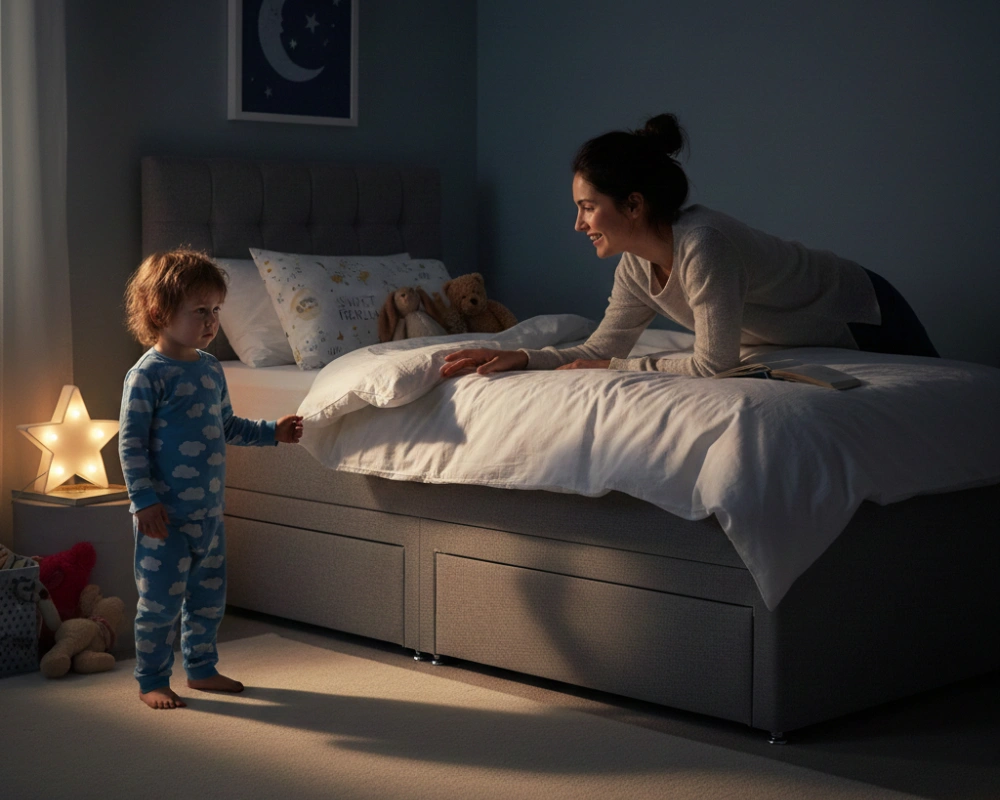
Due to the fact that your child might be anxious and feeling unsettled, they may begin a lot of night-time wandering, where they get out of bed and delay their sleep. This is another common behavioural sign that your child is still dealing with the changes of their surroundings and bed set-up.

An easy solution for this is to calmly guide your child back to bed and remind them that this is a peaceful place for them to feel relaxed and safe. Setting clear boundaries and expectations that this is the time they should be sleeping is an effective way to create consistency in their sleeping routines.

Comfort Items and Sleep Accessories

There are plenty of common sleeping accessories that can make your child feel comfortable and at ease when it’s time for them to move into their new bed. 

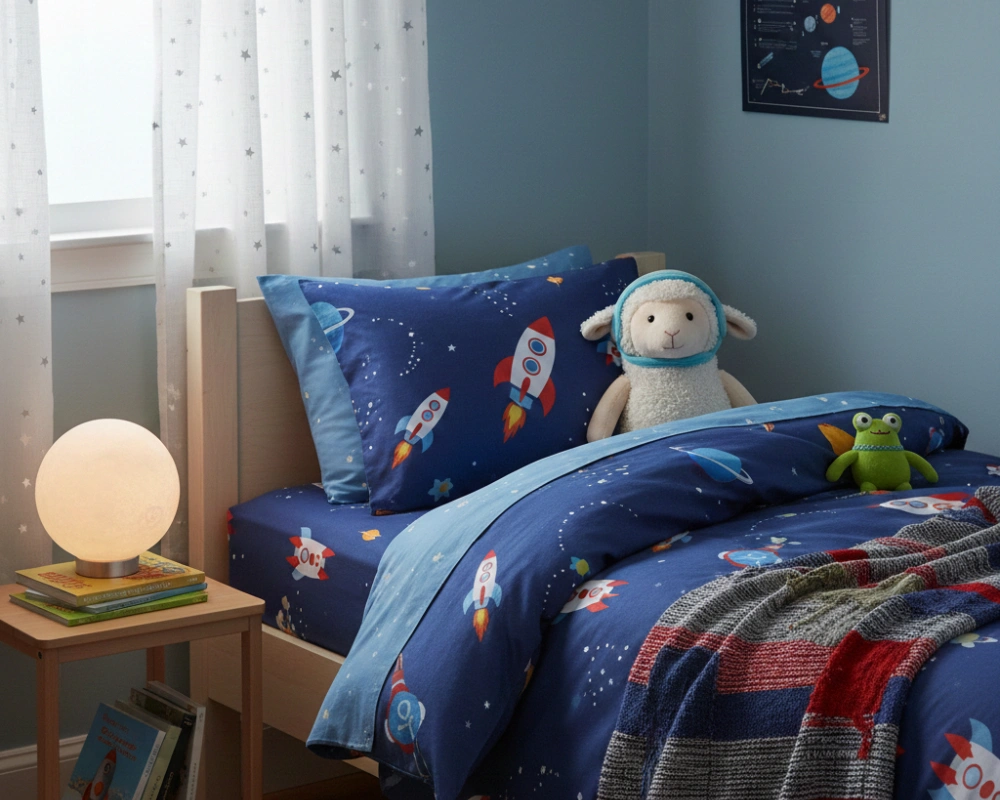
Soft toys, their favourite blankets and themed bedding can give their bed a more personal touch that reflects their personality, reminding them that this is where they belong and where they can feel comfortable before sleeping.

Comfort Items and Sleep Accessories

Discover The Best Sleeping Set-ups For Your Child Now

After reading this guide, we hope you have now learnt some more tips on how to make the transition from your child’s cot to their first bed anxiety-free experience. We’ve touched on cosy accessories and mattress types, as well as some challenges and solutions. 

To find out more tips and advice on mattress firmness and support, then why not take a look at some more of our guides? Our customer service team is also happy to help you, no matter what your concern or question is.