
8 Top Tips For A Good Night’s Sleep

Getting the right amount of shut eye is so important to ensure our body can rest and repair over night and that we’re alert, able to absorb new information and aren’t really cranky during the daytime! 

For most adults it’s recommended that they get between 7-9 hours sleep each and every night to ensure the body and mind has the time required to rest, repair and recuperate. Any less than that consistently does unfortunately put you at more risk for health issues, never mind the fact that you’re more than likely to be at less than your best when you’re tired. 

We know that life can get in the way though, whether it’s your newborn baby or toddler waking you through the night, stress at work keeping your mind racing or even the latest TV series keeping you hooked as you watch ‘just one more’ episode and stay up a little too late. Whilst each and every scenario for a lack of optimal sleep is different, we’re here to share with you ten of our top tips for getting a good night’s rest.

Whilst not each and every tip will be suitable for you or your situation, we hope that you can use at least some of these tips to create an environment suitable for sleep and relax your body so you can drift away.

1. Create A Consistent Sleep Schedule

Whilst this can feel like something that’s difficult to achieve, especially if you suffer from insomnia, have an ever changing work routine or a very active social life, it’s really important to try and establish a consistent sleeping routine. 

You may have thought that you’d left a ‘bedtime’ behind back in childhood, but it’s important for us adults to set boundaries for ourselves too and that’s especially true when it comes to bed time. Believe it or not, but our bodies are a creature of habit, if you consistently go to bed and wake up at a similar time each and every day, your mind and body can and will get used to that and naturally relax as bed time approaches, helping to ensure a restful night’s sleep. 

So it’s important to set a realistic time goal for lights out and eyes closed and aim to stick to that as much as possible. Of course take into account the time you usually need to wake up for work too, ensuring you get that ideal 7-9 hours sleep our bodies require. 

Be strict with yourself and before long, you should notice an improvement in the amount of sleep you’re getting and the consistency of it too. Now, to help your body relax in the lead up to bed time, there’s a few extra steps you can take…

2. Get Into A Relaxing Routine

It’s important to create a relaxing routine each and every night in the lead up to bed time, especially in the last 60-30 minutes before you intend to fall asleep. What you choose to do to relax yourself is of course down to you and your preferences, but here’s a few suggestions…

Take A Warm Bath

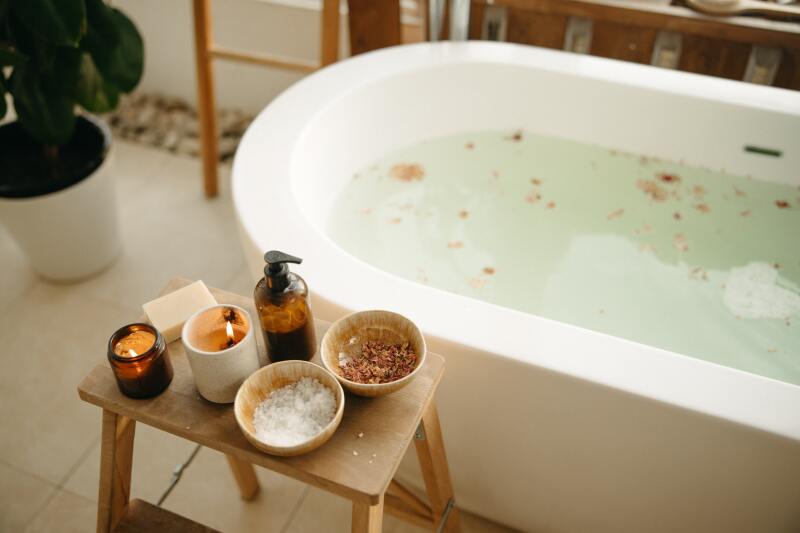
Who doesn’t love a warm, relaxing bubble bath? Especially on a winter’s evening when the outside air is cold and biting. Well studies have suggested that taking a hot bath around 90 minutes or so before bed could help you to fall asleep quicker. 

Sleep and our body’s core temperature are regulated by something known as the circadian clock, which is essentially an internal 24 hour clock that helps our bodies to determine when it’s the right time to go to sleep and wake up amongst other things such as the release of the correct hormones, the timing of bodily functions and metabolism control. 

Interestingly, the body’s core temperature drops on average around 0.5 to 1°F (.3 to .6°C) and goes on to reach its lowest temperature during the middle and later stages of nighttime sleep. So you’re probably sitting there thinking that taking a hot bath is counterintuitive to this? Well interestingly a hot bath actually stimulates the body’s thermoregulatory system, which increases blood circulation to the hands and feet, which can help to remove body heat and cool you down. 

This temperature fall then signals the pineal gland to release melatonin (a process that usually happens around 10pm to 11pm) which in turn relaxes you. So you’re essentially kick starting this body response ahead of time, helping you to relax and studies suggest, potentially fall asleep 10 minutes quicker than usual. 

Drink A Cup of Cocoa

It may feel like a bit of an old wives’ tale now, but can drinking a warm cup of cocoa before bed actually relax you? Well interestingly this can vary person to person, depending on how you react to the ingredients found in hot chocolate. 

It’s rich in compounds such as theobromine and serotonin precursors such as tryptophan. First of all, theobromine could have either a relaxing or stimulating effect on you and your central nervous system. Because it could increase your heart rate and alertness but on the flip side its vasodilatory properties could help to enhance blood flow and relaxation. So the balance between the two differs from person to person. 

For some, a nice cup of hot chocolate will make you sleepy before bed time, whilst for others it may just keep you awake for longer. You’ll just have to try some and find out for yourself, which isn’t the worst test to take is it?

Journal Your Thoughts

This next one may point towards Bridget Jones having a decent amount of sleep each and every night. Then again, she has rather a lot going on in her life so those stresses may keep her up at night. Getting yourself a diary or journal and journaling your thoughts before bed is a great way to clear your mind before bed time. 

Jot down your to-do lists for the next day, your plans for the week ahead and reflect on and document what you got up to during the day and what’s been bugging your mind. Organising your thoughts in this way, can help you to make sense of everything and collect your thoughts in one place. We suggest doing so around 30-15 minutes before bed and make it a habit to get the most out of it, both in regards to sleep quality and enjoyment of doing so. 

Read A Book

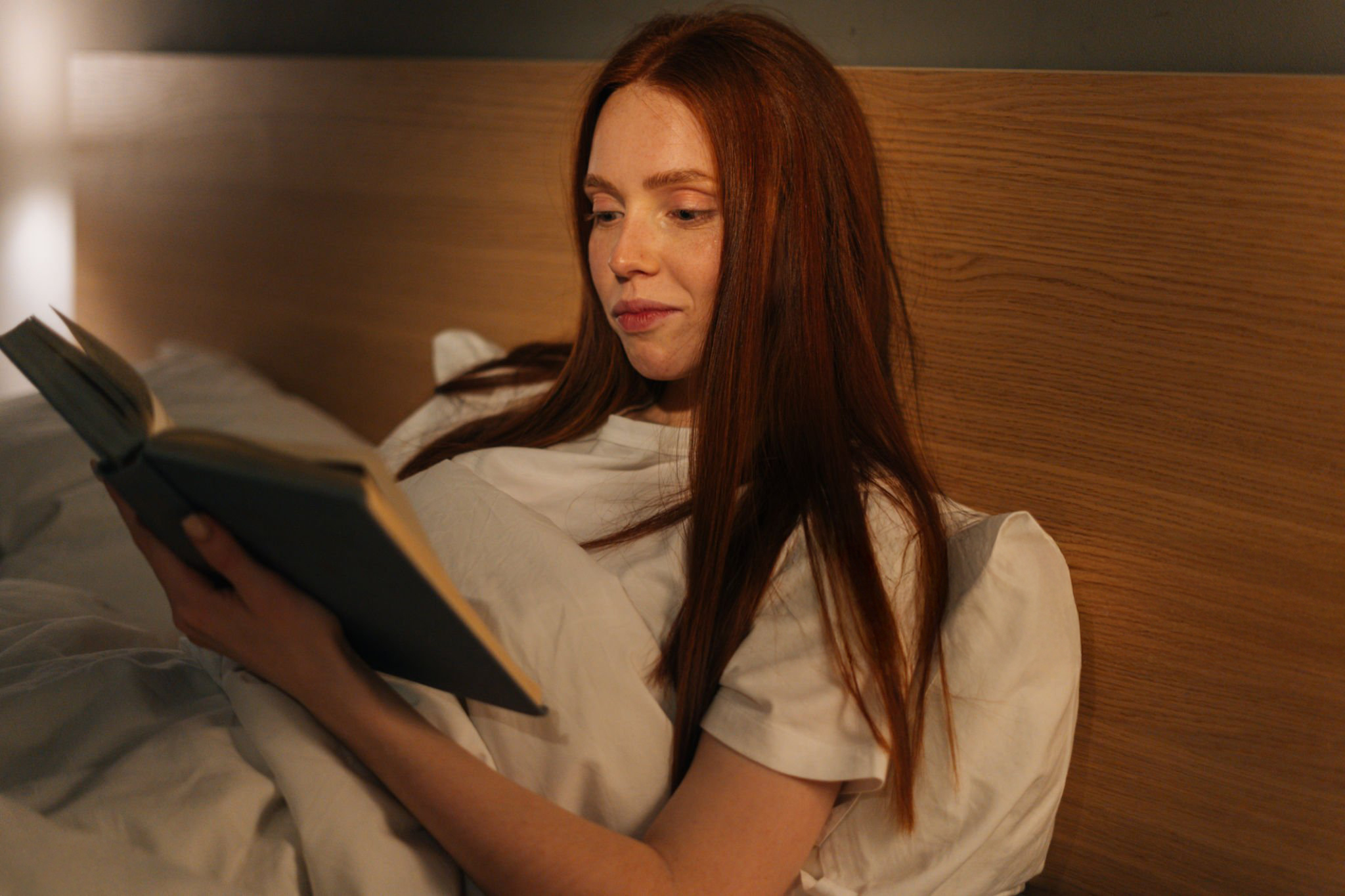
Settling in to read a book before bed can help you to relax, reduce stress and maybe even sleep for longer. Surprisingly, reading a book can provide just as much stress relief as a session of yoga and in a randomised online trial conducted in 2019, dubbed ‘The Reading Trial’ 42% of people felt that their sleep had improved by reading a book every night before bed for 7 days. 

So there’s certainly enough studies out there to suggest that reading a book before bed can help you to relax and fall asleep. Plus, getting lost in a good book is a nice time to spend your time too. Just be sure to try and read paper books and avoid e-books before bed.

Avoid Screens

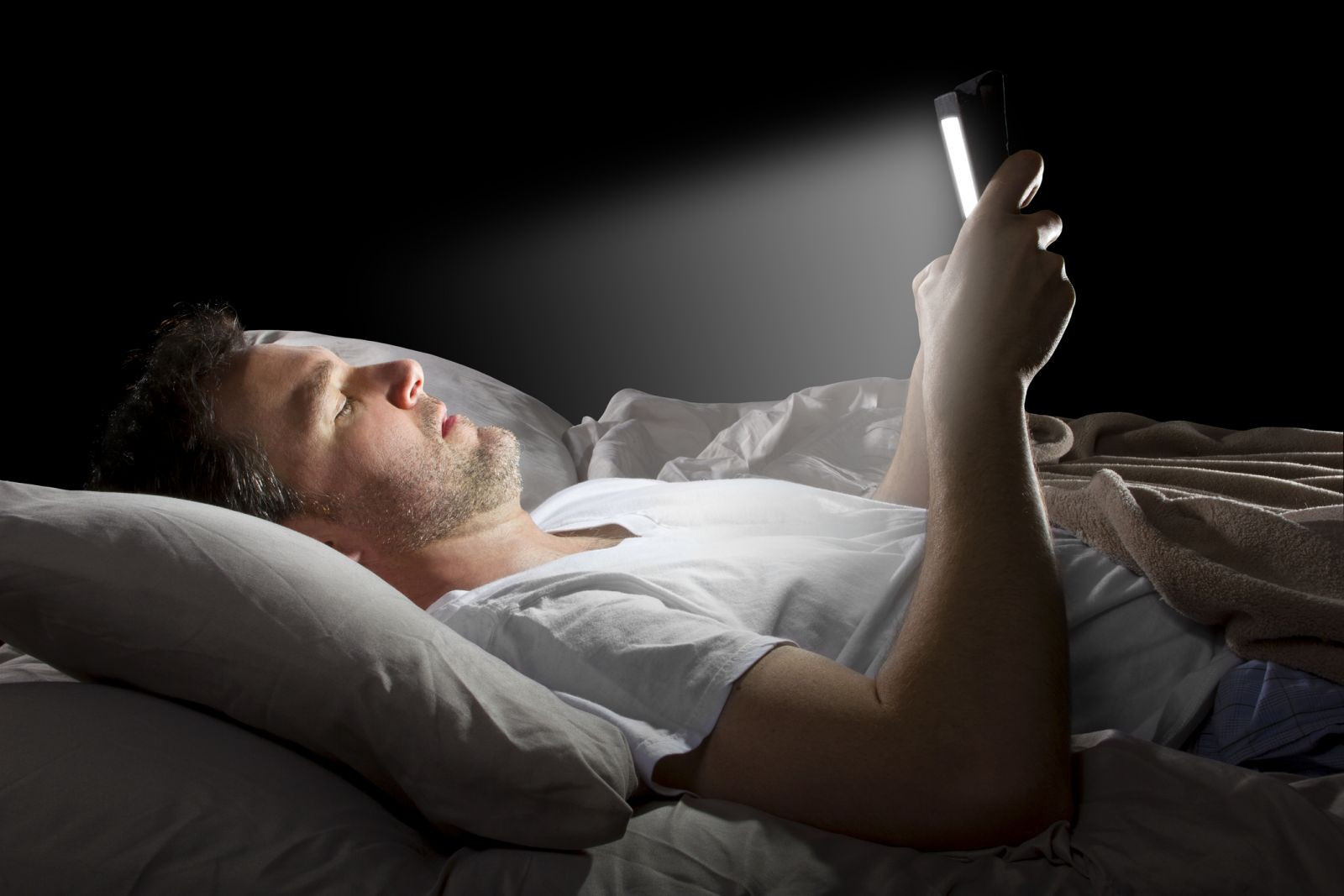
This leads us to our next point, you’ll want to avoid screen time in the 60-30 minutes leading up to your bed time. This is because exposure to blue light (present in our mobile phone, laptop, computer and television screens) can actually suppress melatonin production, which as we covered previously, is a hormone that helps to promote relaxation and regulate sleep. 

Not only that, but checking out the latest TikTok trends, checking in on your friend’s Insta accounts or doomscrolling through the news, can overstimulate your brain, which is the opposite effect you want at bed time. You’re also likely to keep seeing something that you want to read or watch, leading you to stay up longer and longer. 

Whilst you could look to use blue light filters or optimise the settings in your apps to reduce blue light exposure, we honestly think it’s best to try and ditch the devices at least 30 minutes before your bed time to have optimal results. 

3. Create An Optimal Sleep Environment

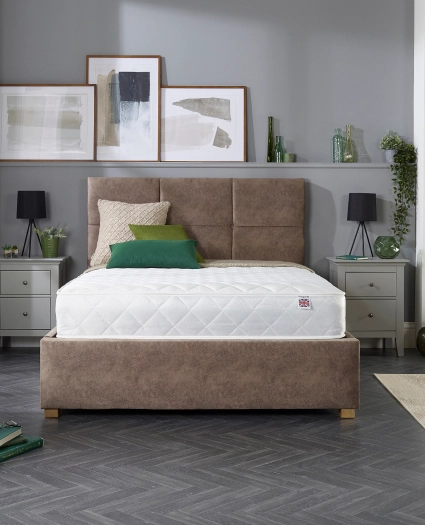
Your bedroom needs to become a haven for sleep, from a comfortable mattress that supports your sleeping position and a bed that works to support your chosen mattress (that of course, looks great too) through to the correct light and sound levels. It all goes hand in hand to help you to get a good night’s sleep. Here’s a few tips to help you create a sleeping environment that works for you.

Dim The Lights

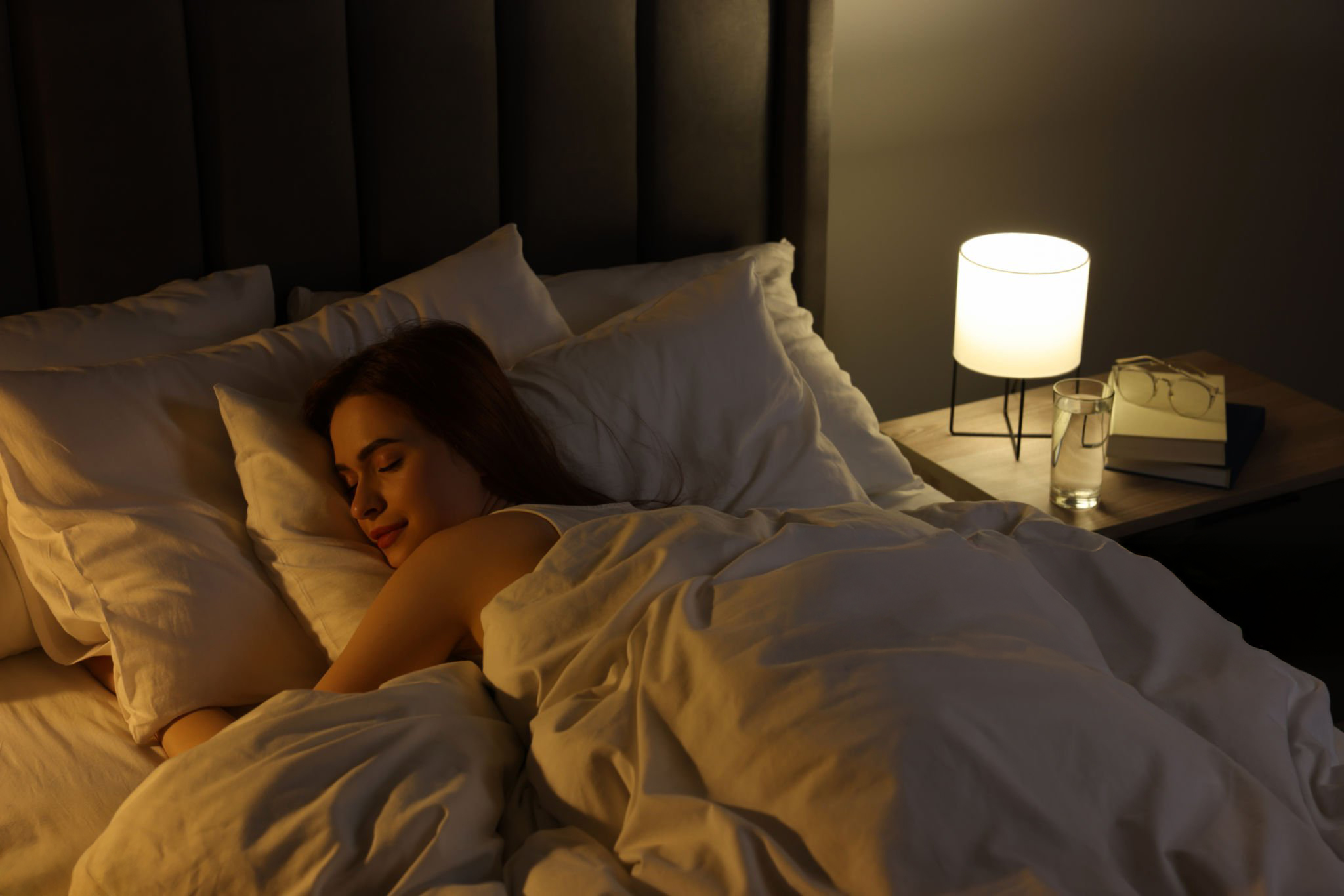
In the lead up to bed time, it’s important to be exposed to the right hue of light to help prepare your body for sleep. We’ve already spoken about how blue light can inhibit sleep, but which hues are conducive to sleep? 

Hues of red, orange and yellow are the right hues of light to help promote sleep quality and help to get you relaxed in the lead up to bed time. So we recommend investing in a lamp with a warm light hue lightbulb to help you read your book before bed. 

Get The Right Temperature

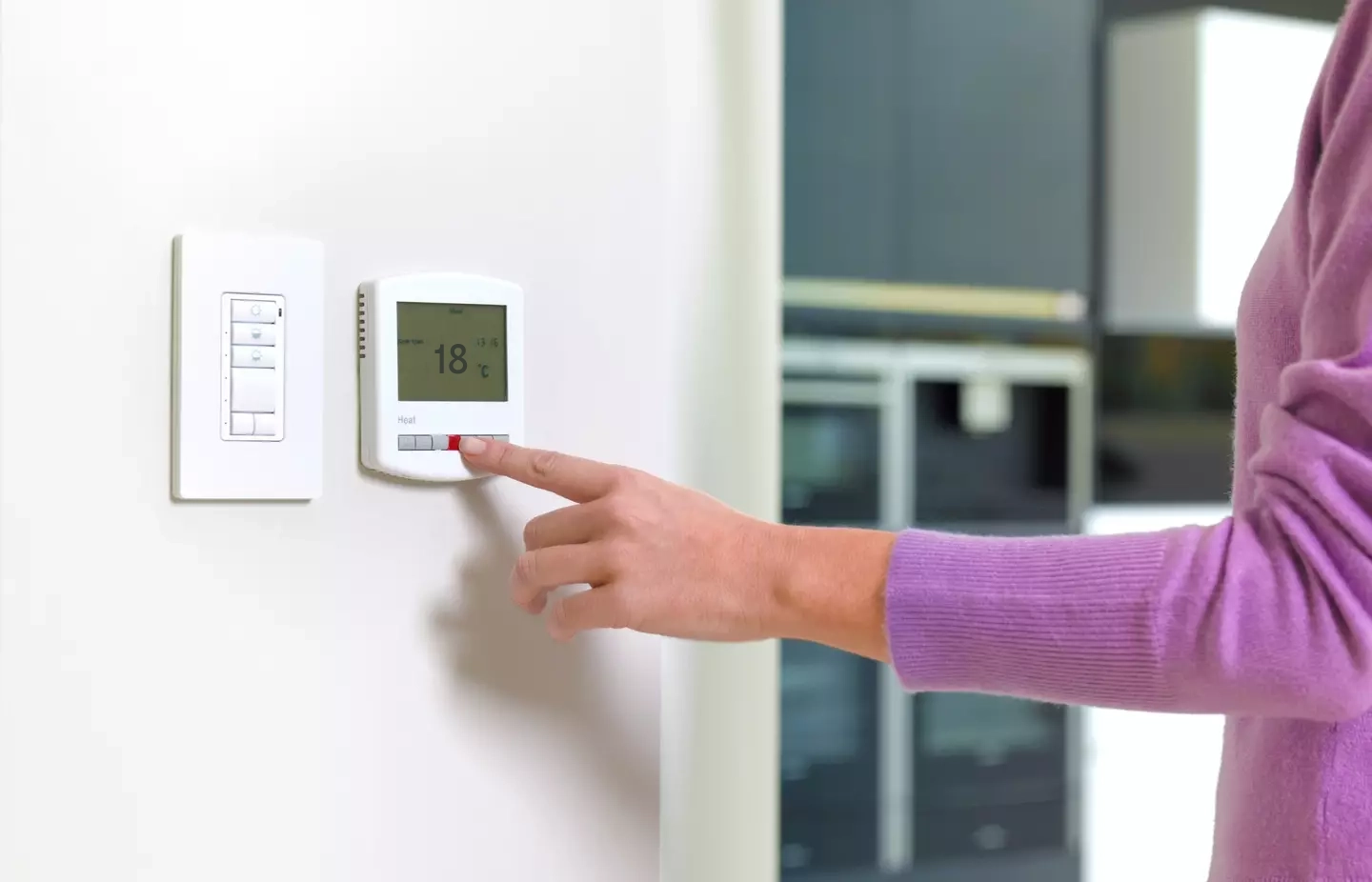
This is one of those things that’s very subjective, some people are really hot sleepers and as such they’ll want a cooler room to fall asleep to, whereas others really feel the cold at night and want to snuggle up under a thick duvet. However, as previously covered, any healthy adult will experience a natural drop in their body temperature during the night, especially during the latter stages of sleep. 

Due to this, many experts seem to agree that the optimal bedroom temperature for sleeping is 65 degrees fahrenheit (18.3 degrees Celcius). Whilst this may seem too chilly for some, a lower temperature will help to maintain a lower core temperature during sleep and improve your sleep quality and length.

Keep Noise To A Minimum Or A Consistent Level

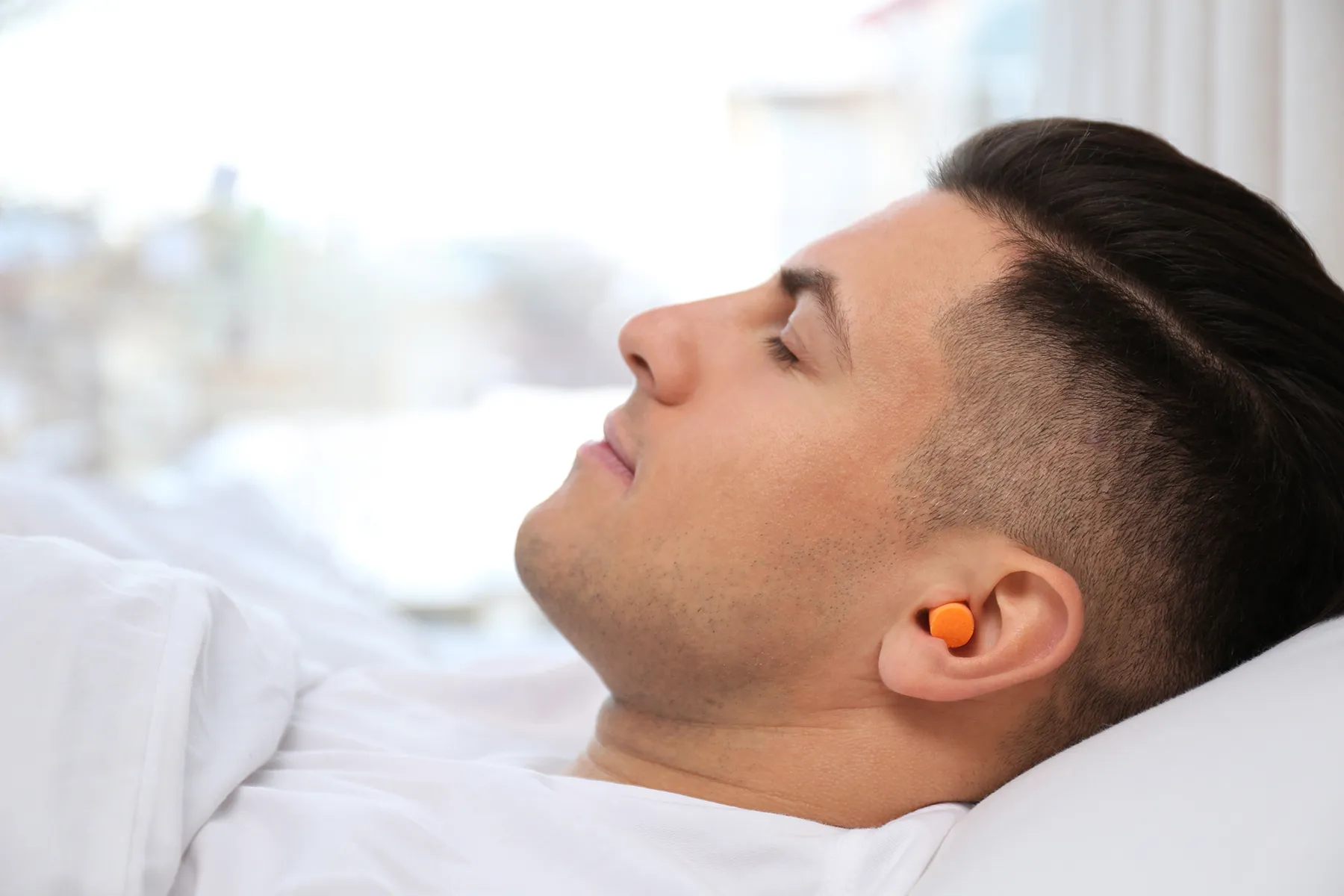
This is another one that’s very subjective. Some people need it to be really quiet to get to sleep, even resorting to wearing noise cancelling headphones in bed, whilst others swear by the positive effects of white noise on their ability to get to and stay asleep. Research suggests that noises that wake you up, cause significant and severe sleep disruption, causing negative effects on your physical and mental health. 

So to avoid these disturbances, you should either strive to have your bedroom as quiet as possible (or invest in ear plugs or something to block out the noise) or look to create a consistent noise level that essentially masks the other noises, by utilising a white noise machine or app on your phone. There are even noise blocking curtains available on the market that can help too. 

4. Avoid Certain Food & Drinks

Eating later at night is generally considered to be something to avoid anyway due to the potential risks of weight gain, high blood pressure, high cholesterol and acid reflux associated with it, but if you are to eat later at night due to a reservation at a restaurant or working late, there’s certain foods and drinks you should look to avoid. 

Caffeinated Food & Drinks

Caffeinated food and drinks such as coffee, chocolate and energy drinks are of course a given due to caffeine’s energy providing nature. The lack of sleep you may experience due to eating or drinking these items can also cause a knock on effect the next day, where you look to drink more coffee to stay awake, thus affecting the next night’s sleep cycle too. This has actually even been coined ‘The Coffee Cycle’ by some. 

Spicy Foods

Whilst a nice curry or serving of jerk chicken wings may go down well at the time, you’ll likely pay for it when it’s time to go to sleep. Spicy foods are known to cause indigestion and worsen any symptoms of heartburn or acid reflux you may suffer from. So you should especially look to avoid spicy foods if you tend to suffer from those symptoms regularly. Not only that, but spicy food can also raise your body temperature, which is the opposite effect you want when it’s bed time. 

Alcoholic Drinks

It’s actually rather common for people to enjoy a drink or two to help them relax before bed. However, whilst the initial tiring effect may seem to indicate that it’s helped (alcohol does cause you to fall asleep faster), it really disturbs your sleep later on in the night as your blood alcohol levels decline. Not only that, but alcohol is closely related to insomnia too, so it’s recommended that you try to avoid involving alcohol in your bedtime routine. 

5. Exercise More

Exercising more is just a great idea all round, but it can also help you to sleep more soundly too. Exercise helps to regulate the body’s circadian rhythm, reduces stress and anxiety, helps to regulate body temperature and generally makes you more tired, due to how active you’ve been. Just try not to do strenuous exercise too close to bed time as this can have the opposite effect.  

6. Manage Stress & Anxiety

Whilst this is much easier said than done, effectively managing your stress and anxiety can go a long way to helping you to sleep soundly for longer. A lot of the tips we’ve already covered can help you to reduce stress and anxiety, such as a relaxing, consistent bedtime routine, regular exercise and avoiding alcohol, but also spending more quality time with your loved ones (and some quality ‘me’ time), engaging in relaxation techniques and potentially seeking out professional therapeutic help can also be effective.

We all feel stress and anxiety from time to time, some more than others and for some it can be very crippling. That’s why it’s very important to take active steps to address anything that may be contributing to your feelings of stress and anxiety. Being passive and waiting for them to disappear on their own may seem easier, but it’s often much less effective and just prolongs matters. 

Not getting enough sleep also contributes towards these feelings of stress and anxiety, so it can be a vicious cycle that compounds on itself. It’s important to try and determine the cause for these feelings and work on what you can do to improve matters. If you’re proactive with this, you’re more than likely to see improvements in your feelings of stress and anxiety. 

7. Don’t Nap As Much

Many of us enjoy a ‘granny nap’ from time to time and research certainly suggests that a brief nap can be refreshing and energy inducing, but longer naps and napping at the wrong time can have the opposite effect.

The ideal duration for a nap is around 20-30 minutes as this avoids your body going into a deeper sleep whilst also allowing your body some much needed rest. However when it comes to the time to nap, it’s important not to nap too late so as to not negatively affect your sleep schedule. 

For those of you who enjoy a ‘traditional’ sleep-wake schedule, taking a nap between 1pm and 3pm is most likely to be the optimal time. Most people naturally experience a dip in energy during this time, so napping here can boost energy, increase alertness and even improve your mood. 

If you do want to continue enjoying your ‘nanny-naps’, then it’s probably a good idea to make sure you take yourself off to a sleep friendly environment, nap early enough in the day and set an alarm for 20-30 minutes to make sure you wake up in time. Just be sure to not hit snooze!

8. Be Proactive With Illnesses & Aches & Pains

It’s not nice feeling ill or experiencing aches and pains from muscle strains, but it feels even worse when those illnesses or ailments are keeping you up at night. So it’s important to address any health conditions as soon as you can to start taking the right medication and get it into your system in time for bed. 

The last thing you want is your stuffy nose or headache keeping you from the land of nod. So don’t be passive and wait for it to blow over, make sure you either contact your GP to book an appointment if required and/or buy and take the correct medicine from a chemist or supermarket for your illness or ailment. Always be sure to ask the advice of a medical professional and read labels and instructions of any medication before taking anything too. 

Get A Great Night’s Sleep

Hopefully, some (or maybe even all) of our top tips can help you to enjoy a good night’s sleep more consistently moving forward. Following the most relevant tips for you and pairing them with a bed and mattress combination that provides you with a comfortable sleep environment should go a long way to improving your sleep quality and length.